
Holding Space for Him: Addressing Men’s Mental Health

When we talk about mental health, especially in BIPOC communities, men’s experiences are often overlooked or shrouded in silence. Masculinity shaped by culture, trauma, and survival frequently collides with vulnerability, leaving many BIPOC men feeling like they must choose between being strong or being seen. As BIPOC mental health professionals, we are uniquely positioned to […]
Pride, Power, and Presence: Celebrating Pride in the Black Mental Health Community

June marks Pride Month, a time of celebration, reflection, and visibility for LGBTQIA+ communities across the globe. For Black mental health professionals, Pride is more than parades and rainbows; it is a powerful opportunity to affirm and uplift the intersections of race, gender, and sexuality in our personal and professional lives. In a field historically […]
From Pregnancy to Postpartum: ASWB-Approved Training for Maternal Mental Health Care

Maternal mental health is a vital aspect of overall well-being, not only for birthing individuals but also for their families and communities. As mental health professionals, including social workers and therapists, we are uniquely positioned to identify, assess, and intervene in the emotional challenges faced during pregnancy and postpartum periods. Despite its importance, maternal mental […]
Mental Health Month Is for Us Too: Reclaiming Rest and Joy as BIPOC Mental Health Providers

Every May, Mental Health Month offers a dedicated time to spotlight mental health awareness, reduce stigma, and promote access to care. For many, it’s an invitation to reflect, advocate, and support others. But for those of us who are BIPOC (Black, Indigenous, and People of Color) mental health professionals, this month carries a layered meaning. […]
Supporting Survivors Starts with You: ASWB-Approved Continuing Education for Social Workers

Sexual assault remains a pervasive and deeply traumatic issue affecting individuals across all backgrounds. As social workers and mental health professionals, we are often among the first to hear these stories—and how we respond matters. Our ability to support survivors with sensitivity, competence, and cultural humility can shape their healing journey and influence whether they […]
Using Culturally Informed Approaches to Support Clients with Stress

In today’s diverse and rapidly changing world, stress is a near-universal experience—but how individuals experience and respond to stress is profoundly shaped by culture. For social workers and mental health professionals, understanding and incorporating culturally informed approaches is essential for providing ethical, effective care. This blog post explores the importance of culturally responsive strategies when […]
Healing Starts With Us: Managing Stress As a Mental Health Professional

April is Stress Awareness Month, a dedicated time for mental health professionals to acknowledge the pervasive impact of stress on mental and physical well-being. As frontline caregivers, therapists, and counselors, we often focus on supporting our clients in managing stress, but it is equally important to reflect on our own stress levels and self-care practices. […]
Ethical Importance of Managing Vicarious Trauma: For Mental Health Professionals

As MHPs [mental health professionals], we are faithful helpers; we help others heal from trauma. But what do we do when this work takes an emotional toll on us? This includes vicarious trauma, compassion fatigue, and secondary trauma stress; these types of trauma significantly affect mental health professionals. These concerns not only impact personal well-being but also affect professional […]
Honoring Women’s History Month
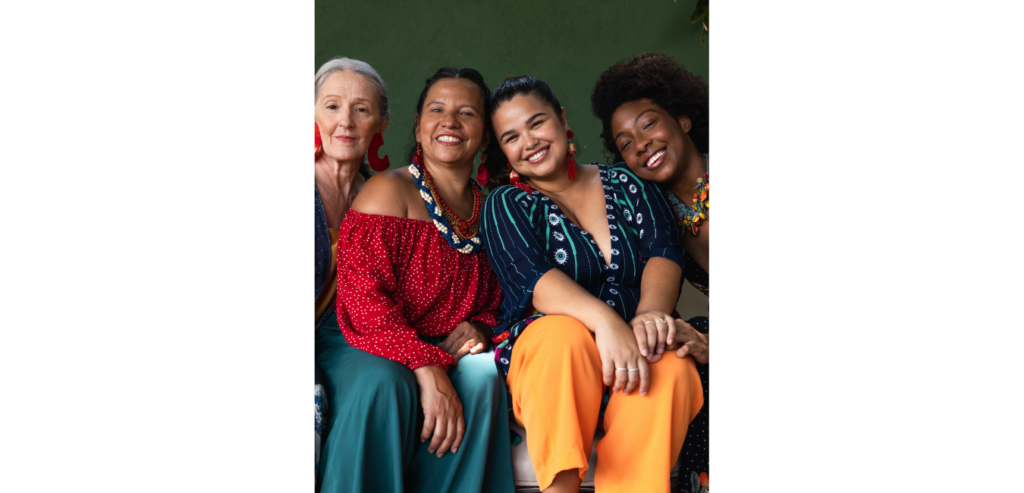
To every BIPOC woman and femme in the mental health field: You are history in the making. Your work, your voice, and your existence within these systems is part of a larger legacy of radical healing and community care. This Women’s History Month, honor yourself as both healer and history-maker. Your presence is proof that our ancestors’ dreams live on and our liberation is still being written.
It’s Not “Picky Eating”

Understanding ARFID in the BIPOC Community Avoidant/Restrictive Food Intake Disorder (ARFID) is often misunderstood and underdiagnosed, especially in Black, Indigenous, and People of Color (BIPOC) communities. While eating disorders have historically been associated with white, affluent populations, ARFID affects individuals of all racial and ethnic backgrounds. However, cultural biases, systemic barriers, and limited research on […]